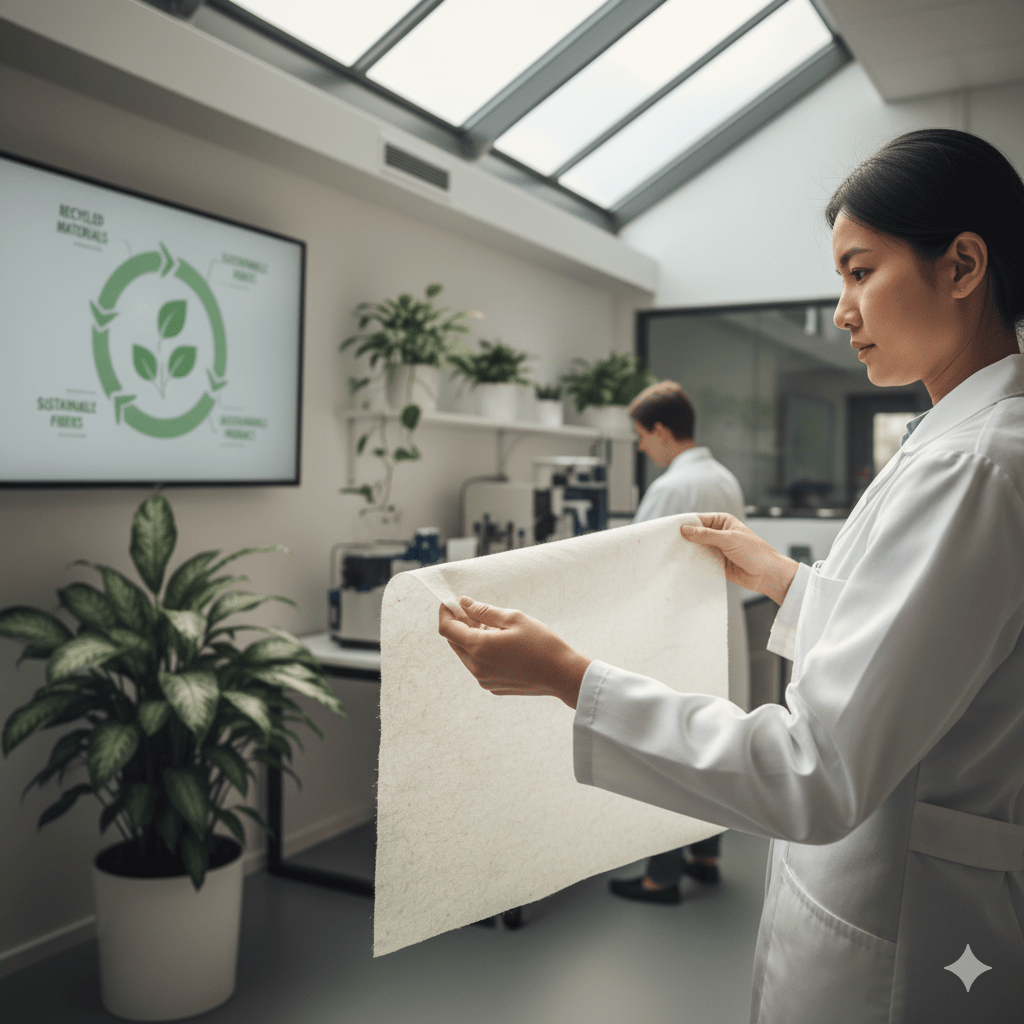
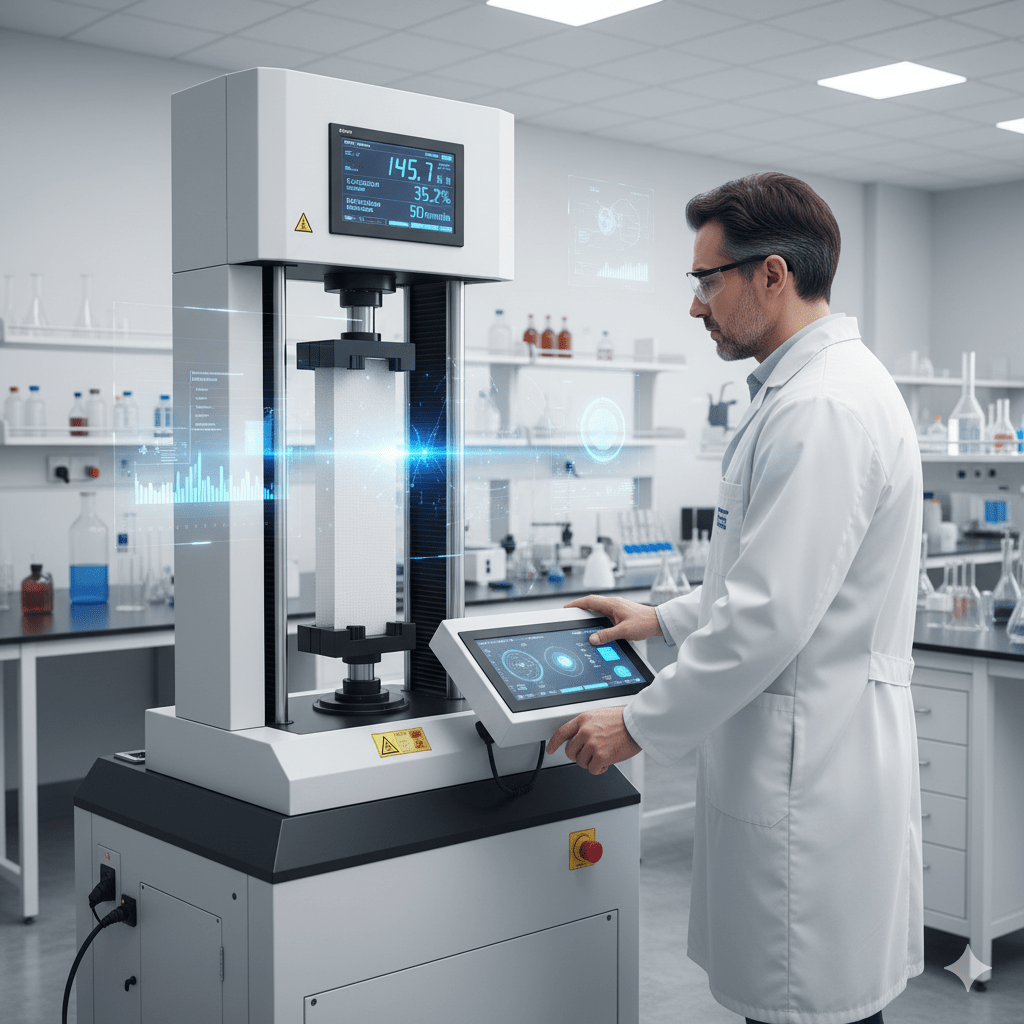
Standard polymer-based nonwovens are frequently converted into high-value industrial components through the application of specialized chemical finishes. Narula’s technical division offers customization across critical specifications including weight (GSM), dimensions, aesthetics (color), composite structures, and, most importantly, functional properties such as flame retardancy or specific barrier levels.
Manipulating Liquid Management (Hydrophilic vs. Hydrophobic)
Liquid management is achieved by manipulating the surface energy of the nonwoven fibers:
- Hydrophobic (Liquid Repellent): This treatment involves applying chemicals that lower the surface energy, causing water and other liquids to bead up and actively repel penetration. This ensures liquids do not pass through the structure, which is vital for maintaining barrier protection in critical medical gowns, drapes, and certain construction underlays.
- Hydrophilic (Liquid Absorbent): These treatments chemically modify the fiber surface to increase its energy, enabling the material to rapidly attract and absorb liquids. This feature is necessary for internal hygiene product components, such as top sheets in diapers where rapid liquid wicking away from the skin is paramount, as well as for high-performance industrial wipes.
This deliberate engineering of opposing liquid management solutions demonstrates that the company views these specialized treatments not as optional extras, but as necessary, engineered steps to achieve brand-specific functional outcomes, such as the barrier promise of SHIELDTEX™ or the wicking performance of LINTEX™.
Anti-Static: Safety, Compliance, and Liability Mitigation
Anti-static functionality is achieved either by incorporating conductive fibers or by applying special coatings designed to safely manage and dissipate accumulated electrical charges. Electrostatic discharge (ESD) presents a hidden danger in industrial settings; a small spark can damage sensitive electronic components, ignite flammable dust or gases, or attract contaminants in electronics manufacturing, pharmaceutical, or volatile chemical environments.
Consequently, the application of anti-static treatments is elevated from a performance enhancement to a critical safety and compliance measure. This directly mitigates liability and protects high-value production processes, serving as a proactive quality assurance tool that is highly valued by risk management and legal teams in B2B purchasing.
The following table details the functional benefits derived from specialized nonwoven treatments:
Nonwoven Fabric Functional Treatments and Benefits
Treatment Type | Mechanism/Function | Benefit to End-Product | Common Applications |
Hydrophilic | Increases surface energy for rapid liquid attraction and wicking. | High and quick liquid uptake, soft feel. | Wipes, Diaper Top Sheets, Absorbent Pads |
Hydrophobic | Decreases surface energy, repelling liquid contact. | Excellent fluid barrier protection, liquid resistance. | Surgical Gowns, Drapes, Roofing Underlays |
Anti-Bacterial/Viral | Incorporates active agents to inhibit pathogen growth/transmission. | Enhances hygiene safety, reduces cross-contamination. | Face Masks, Medical Gowns, Hospital Linen |
UV Stabilized | Protects polymer chains from UV light degradation. | Extended service life under sun exposure. | Crop Covers, Geotextiles, Tarpaulins |
Flame Retardant | Reduces material flammability and slows the rate of burning. | Meets stringent fire safety standards. | Automotive Interiors, Furniture Components, Insulation |
Anti-Static | Dissipates static charges via conductive fibers or coatings. | Prevents sparks, reduces contamination, enhances safety. | Electronics Manufacturing, Pharmaceutical Packaging |
Manipulating Liquid Management (Hydrophilic vs. Hydrophobic)
Liquid management is achieved by manipulating the surface energy of the nonwoven fibers:
- Hydrophobic (Liquid Repellent): This treatment involves applying chemicals that lower the surface energy, causing water and other liquids to bead up and actively repel penetration. This ensures liquids do not pass through the structure, which is vital for maintaining barrier protection in critical medical gowns, drapes, and certain construction underlays.
- Hydrophilic (Liquid Absorbent): These treatments chemically modify the fiber surface to increase its energy, enabling the material to rapidly attract and absorb liquids. This feature is necessary for internal hygiene product components, such as top sheets in diapers where rapid liquid wicking away from the skin is paramount, as well as for high-performance industrial wipes.
This deliberate engineering of opposing liquid management solutions demonstrates that the company views these specialized treatments not as optional extras, but as necessary, engineered steps to achieve brand-specific functional outcomes, such as the barrier promise of SHIELDTEX™ or the wicking performance of LINTEX™.
Anti-Static: Safety, Compliance, and Liability Mitigation
Anti-static functionality is achieved either by incorporating conductive fibers or by applying special coatings designed to safely manage and dissipate accumulated electrical charges. Electrostatic discharge (ESD) presents a hidden danger in industrial settings; a small spark can damage sensitive electronic components, ignite flammable dust or gases, or attract contaminants in electronics manufacturing, pharmaceutical, or volatile chemical environments.
Consequently, the application of anti-static treatments is elevated from a performance enhancement to a critical safety and compliance measure. This directly mitigates liability and protects high-value production processes, serving as a proactive quality assurance tool that is highly valued by risk management and legal teams in B2B purchasing.
The following table details the functional benefits derived from specialized nonwoven treatments:
Nonwoven Fabric Functional Treatments and Benefits
Treatment Type: Hydrophilic
Function: Increases surface energy for rapid liquid attraction and wicking.
Benefit to End-Product: High and quick liquid uptake, soft feel.
Common Applications: Wipes, Diaper Top Sheets, Absorbent Pads
Treatment Type: Hydrophobic
Function: Decreases surface energy, repelling liquid contact.
Benefit to End-Product: Excellent fluid barrier protection, liquid resistance.
Common Applications: Surgical Gowns, Drapes, Roofing Underlays.
Treatment Type: Anti-Bacterial/Viral
Function: Incorporates active agents to inhibit pathogen growth/transmission.
Benefit to End-Product: Enhances hygiene safety, reduces cross-contamination.
Common Applications: Face Masks, Medical Gowns, Hospital Linen.
Treatment Type: UV Stabilized
Function: Protects polymer chains from UV light degradation.
Benefit to End-Product: Extended service life under sun exposure.
Common Applications: Crop Covers, Geotextiles, Tarpaulins.
Treatment Type: Flame Retardant
Function: Reduces material flammability and slows the rate of burning.
Benefit to End-Product: Meets stringent fire safety standards.
Common Applications: Automotive Interiors, Furniture Components, Insulation.
Treatment Type: Anti-Static
Function: Dissipates static charges via conductive fibers or coatings.
Benefit to End-Product: Prevents sparks, reduces contamination, enhances safety.
Common Applications: Electronics Manufacturing, Pharmaceutical Packaging.