2.1. What primary nonwoven technologies does Narula specialize in?
Narula Nonwoven Company Limited specializes in technologies that produce continuous filament and microfiber webs, focusing on superior mechanical strength and critical barrier properties. These core competencies lie within the melt-spun family of nonwovens: Polypropylene (PP) Spunbond, Meltblown, and Spunmelt Composites, along with sustainable processing via a recycled PP technology.
2.2. What is PP Spunbond fabric and what are its main performance characteristics?
PP Spunbond fabric is created through a process where the molten polymer is extruded and stretched into continuous filaments. These filaments are then laid onto a conveyor belt to form a random web, which is subsequently consolidated via thermal bonding—typically using heat and pressure from calender rolls. This method is recognized as one of the fastest and most efficient manufacturing processes in the textile industry.
The resulting nonwoven fabric is characterized by high tensile strength, dimensional stability, and durability. Spunbond fabrics generally possess a stiffer, more paper-like hand-feel compared to mechanically entangled alternatives. Due to these inherent structural advantages, spunbond is widely applied in durable goods, high-strength packaging materials, and base layers requiring mechanical support, including backsheets in hygiene products and geotextile reinforcement.
2.3. How does Meltblown technology achieve superior filtration performance?
Meltblown technology is vital for producing materials requiring stringent barrier and filtration capabilities. This process utilizes high-velocity hot air to attenuate, or stretch and thin, the extruded polymer filaments into ultra-fine microfibers, typically ranging in diameter from 1.0 to 5.0 microns. The fine diameter and high concentration of these fibers create a dense, randomly oriented web structure.
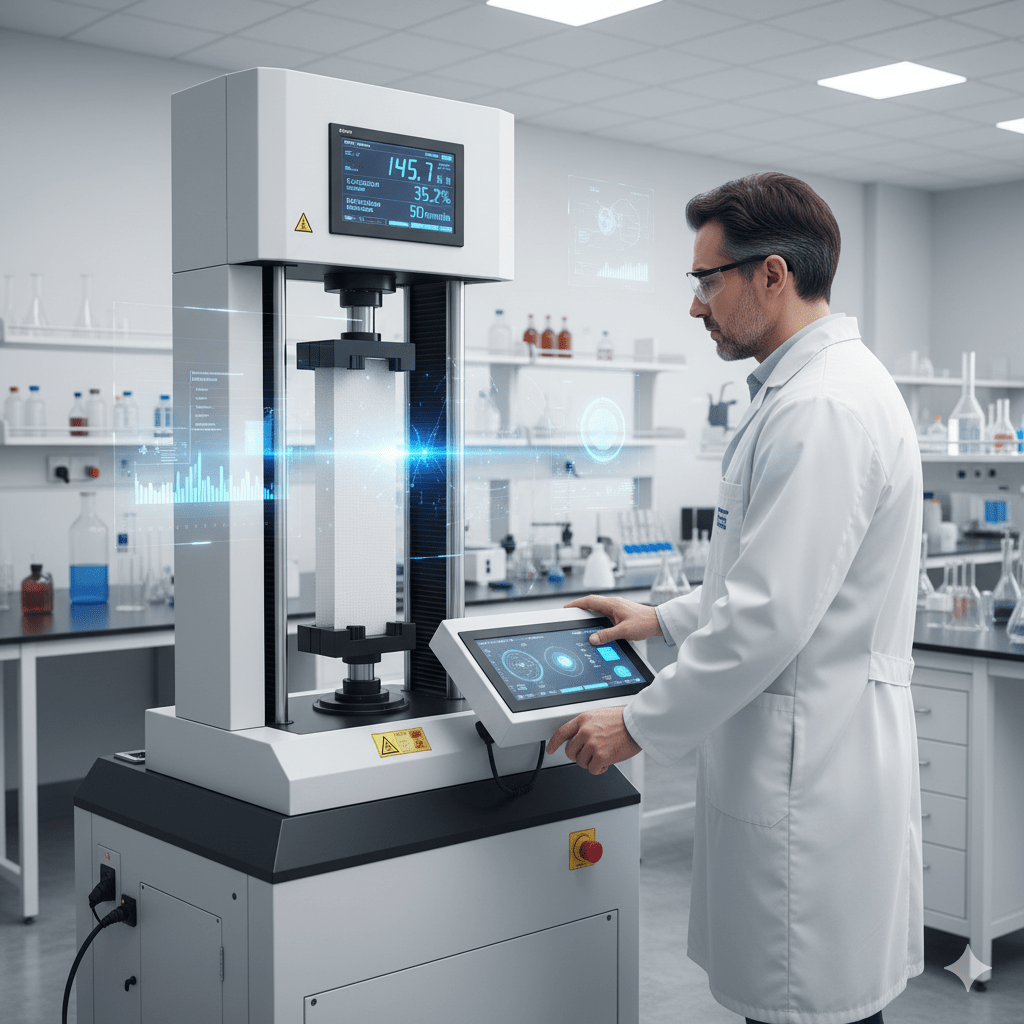
This unique microfiber structure establishes an extremely tortuous path, significantly increasing the fabric’s surface area and making it highly effective at mechanically and electrostatically capturing airborne particles, bacteria, and viruses. The meltblown layer is therefore the critical functional component in medical masks and respirators. Narula maintains rigorous quality control, performing in-house tests for filtration efficiency to ensure performance metrics, such as Bacterial Filtration Efficiency (BFE), exceed 95%, aligning with international respiratory standards like those found in the EN149 classification system.
2.4. What technical advantages do Spunmelt (SSMMS) composite fabrics offer?
Spunmelt technology allows for the creation of multi-layer composite structures that integrate the unique benefits of both Spunbond and Meltblown into a single, high-performance fabric. Narula specializes in SSMMS composites, which stand for five sequential layers: Spunbond, Meltblown, Meltblown, Meltblown, and Spunbond.
This layered design resolves the inherent weakness of either technology used in isolation. The external (S) layers, made of continuous filaments, provide high mechanical strength, dimensional stability, and abrasion resistance. The inner (M) layers, made of ultra-fine microfibers, provide the critical high-level barrier protection against fluids and airborne particulates. This composite is specifically engineered to achieve the strict requirements of medical Personal Protective Equipment (PPE), successfully balancing high fluid repellency and particle filtration with the necessary breathability and comfort essential for prolonged use by medical personnel. The ability to manufacture SSMMS represents an advanced technical capability, confirming the supplier’s mastery in developing materials for high-stakes, multi-functional safety applications.
2.5. What is Recycled Nonwoven Fabric and what is its role in the circular economy?
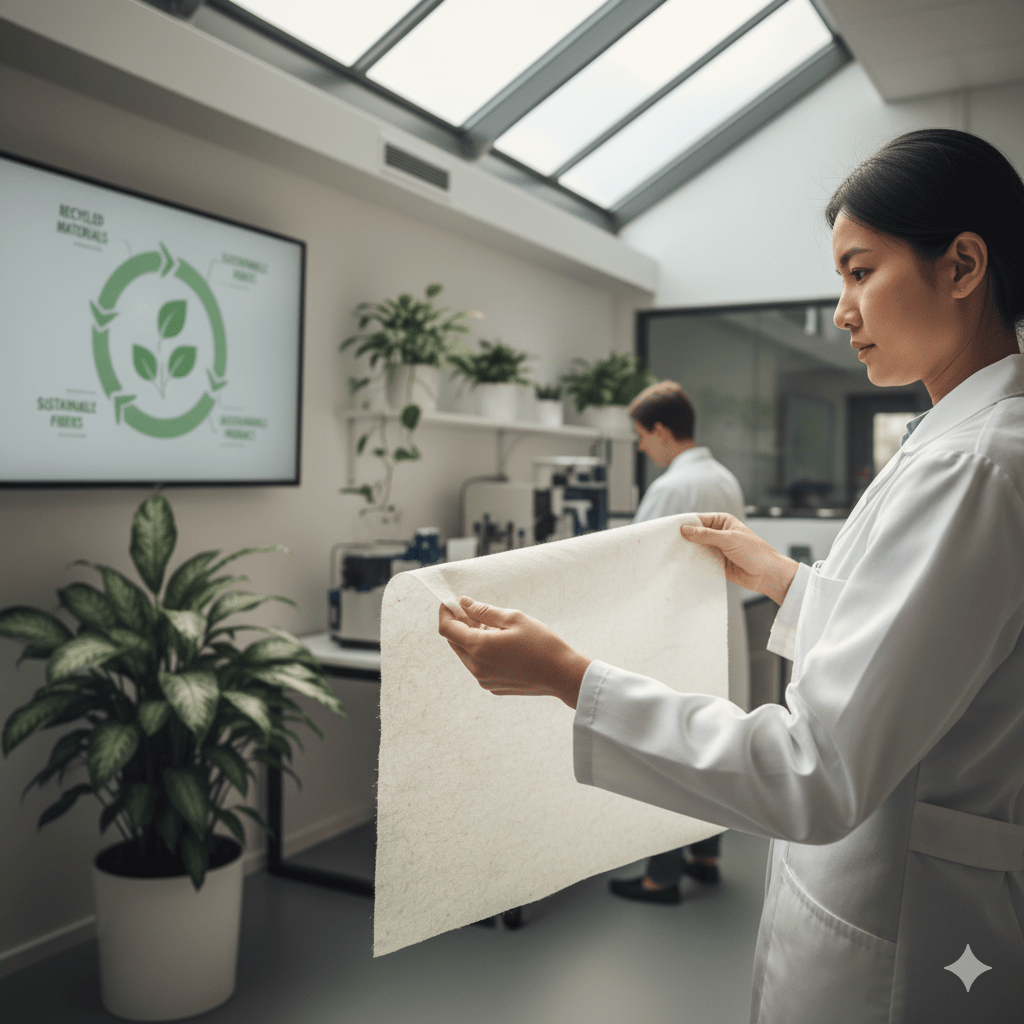
Narula Nonwoven offers a recycled nonwoven fabric line, which utilizes recycled polypropylene (PP) fibers derived from reliable waste streams. This line incorporates up to 80% recycled content. While the recycling of polypropylene nonwovens presents logistical challenges due to contamination and sorting complexities, the manufacturing process focuses specifically on utilizing PP waste, supporting a cleaner material stream suitable for reuse. The application focus for the recycled line is strategic: recycled PP is ideally suited for durable, long-life products such as packaging, automotive components, and construction materials. By channeling recycled PP into the durability segment, Narula effectively minimizes reliance on virgin polymers and maximizes the sustainable life cycle of the material within a circular economy framework.